
Prepare Your Telescope: A Stunning Full Moon Tonight!
If you’ve been wondering, “is there a full moon tonight?” the answer is a resounding yes! The night sky is putting on a spectacular show as the July full moon reaches its peak. Known as the Buck Moon, this lunar event isn’t just about the moon; it’s the headline act for a rare mini planetary parade that will leave stargazers breathless.
What is the Buck Moon?
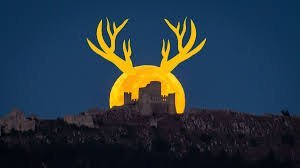
The full moon phase occurs on July 29 at 10:36 a.m. EDT. But why the name “Buck Moon”? This tradition stems from the time of year when young male deer—bucks—grow their new antlers. Depending on who you ask, this moon has different names rooted in indigenous heritage: the Berry Moon (Anishinaabe people) and the Thunder Moon (Western Abenaki people), as noted by the Old Farmer’s Almanac.
How to Watch the Full Moon Tonight
To get the best view of the Buck Moon, head to the southeastern horizon right at sunset. You might notice a few fascinating optical phenomena:
- The Moon Illusion: The moon often appears significantly larger when it is near the horizon. This is a trick of the brain, not a physical change in the moon’s size!
- Golden Hues: As the moon sits low in the sky, Earth’s atmosphere scatters blue light, often bathing the lunar disk in a beautiful yellow-orange glow.
Exploring the Lunar Surface: What to Look For
Because the sun strikes the moon head-on during a full phase, shadows disappear, making it harder to see deep craters. However, this is the perfect time to observe the lunar seas (maria)—vast, ancient plains of hardened lava.
If you have a pair of binoculars or a telescope, keep an eye out for ejecta rays. These are bright streaks radiating from younger impact craters, created when violent collisions threw material across the lunar surface millions of years ago.
A Celestial Bonus: The Planetary Parade
The full moon isn’t traveling alone. Tonight, we are treated to a majestic planetary procession:
- Venus: Look to the west after sunset to see the “evening star” leading the way.
- Saturn, Mars, and Mercury: These three will rise in the east, trailing the moon in a stunning arc across the summer sky.
Pro Tips for Astrophotography and Observation
Want to capture this moment? Whether you are a professional or a hobbyist, here are a few tips to ensure your photos are crystal clear:
- Use a Tripod: To avoid blur during long exposures of the planets, a steady base is essential.
- High Magnification: For the moon, 15x magnification binoculars (like the Celestron SkyMaster series) provide excellent contrast.
- Check the Weather: Use tools like NASA’s official resources to stay updated on atmospheric conditions.
Don’t miss out on one of the most beautiful nights of the summer. Grab your gear, find a dark spot, and look up!



