
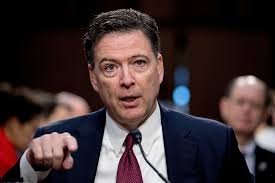
The Intricate Web of the James Comey Secret Service Email Controversy
In the realm of American political intrigue, few names spark as much debate as James Comey. The former Director of the FBI has been at the center of numerous storms, but the discourse surrounding Secret Service emails and government communications continues to fascinate legal experts and the general public alike.
The intersection of high-level intelligence, law enforcement, and political transparency creates a volatile mix. When communications between key figures like Comey and agencies like the Secret Service become the subject of scrutiny, it raises fundamental questions about how the U.S. government handles sensitive information.
Why the Secret Service Emails Matter
The controversy isn’t just about the content of the emails, but about the process of disclosure. For years, journalists and watchdog organizations have fought for access to these records through the Freedom of Information Act (FOIA). The tension lies in the balance between national security and the public’s right to know.
Key points of contention usually include:
- Accountability: Whether government officials used private channels to bypass official record-keeping.
- Coordination: The extent of the collaboration between the FBI and the Secret Service during critical political transitions.
- Transparency: The level of redaction applied to documents before they are released to the public.
The Legal Battle for Transparency
The struggle to release the James Comey Secret Service emails highlights a recurring theme in modern politics: the battle over the narrative. When emails are leaked or released in fragments, they are often weaponized by opposing political factions to support specific agendas.
Legal scholars argue that the lack of a centralized, transparent system for recording high-level communications leads to prolonged court battles. For more information on how these requests are handled, the Department of Justice (DOJ) Office of Information Policy provides detailed guidelines on FOIA processes.
Broader Implications for US Governance
Beyond the specific individuals involved, this controversy serves as a case study in the challenges of the digital age. As communication shifts from formal memos to rapid-fire emails and encrypted messages, the definition of a “government record” has become blurred.
The consequences of this ambiguity include:
- Increased public distrust in government institutions.
- Lengthy and expensive litigation to recover deleted or hidden communications.
- A push for stricter legislation regarding the archiving of digital communications for public officials.
Conclusion: A Quest for Clarity
The saga of the James Comey Secret Service emails is more than just a political footnote; it is a reflection of the ongoing struggle for transparency in the United States. As more documents come to light, the goal remains the same: ensuring that those in power are held accountable to the citizens they serve.
Whether you view these events through a political or a legal lens, one thing is clear: the demand for openness in government communication is stronger than ever.



