
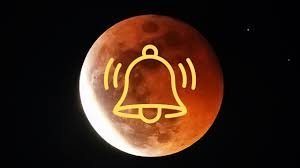
The Return of the Blood Moon: Your Guide to the August 28 Lunar Eclipse
Get your telescopes ready and clear your calendars! A celestial masterpiece is about to unfold in the night sky. On August 28, skywatchers across the globe will witness one of the most dramatic astronomical events of the decade: a deep partial lunar eclipse that will create a stunning blood moon effect.
This isn’t just any lunar event; it is predicted to be the most impressive lunar eclipse we will see until New Year’s Eve 2028. If you’ve ever wanted to experience the magic of the cosmos, this is your moment.
What Exactly is a ‘Blood Moon’?
While technically a partial eclipse, this event is so significant that it will be described as an “almost blood moon.” During the peak of the event, 96% of the moon’s disk will be engulfed in Earth’s darkest shadow, known as the umbra.
Because such a vast majority of the lunar surface will be covered, the moon won’t simply disappear. Instead, it will glow with a deep coppery-red or reddish-orange hue, leaving only a tiny, brilliant silver sliver of light. This phenomenon occurs because Earth’s atmosphere bends sunlight and filters out blue light, allowing only the red wavelengths to reach the moon.
Where and When to Watch the Blood Moon
Visibility for this event is widespread, but the experience will vary depending on your geographical location:
- n
- The Americas: You are in the prime spot! Many observers in North and South America will see the moon rise already drenched in that deep red shadow, capturing the most dramatic stages of the eclipse.
- Europe and Africa: The eclipse will be visible in the pre-dawn hours of August 28. In the U.K. and Western Europe, the moon will be low in the western sky during the final stages.
- Western Asia: Parts of Western Asia will also have a view, though the moon may set before the maximum eclipse occurs.
How to Prepare for the Event
The best part about a blood moon is its accessibility. Unlike solar eclipses, which require specialized protective eyewear, lunar eclipses are completely safe to observe with the naked eye.
Viewing Tips for Beginners:
- No Equipment Needed: You don’t need a telescope or binoculars to enjoy the view, though they can help you see the lunar craters more clearly.
- Find a Clear Horizon: Especially if you are in the Americas, find a spot with an unobstructed view of the eastern horizon to see the moon rise during the eclipse.
- Check the Weather: Keep an eye on local forecasts to ensure clear skies.
Why This Eclipse is Special
Astronomy enthusiasts are buzzing because this is the closest we will get to a total lunar eclipse for several years. The sheer percentage of coverage (96%) makes it a visual twin to a total blood moon, providing a rare opportunity for astrophotographers and stargazers to capture a hauntingly beautiful celestial alignment.
For more scientific details on how lunar cycles work, you can visit the NASA Moon portal or track the exact timing for your city via Time and Date.
Don’t let this cosmic spectacle pass you by. Mark your calendars for August 28 and prepare to be amazed by the blood moon!



