Tess Johnson: A Journey of Resilience and Legacy
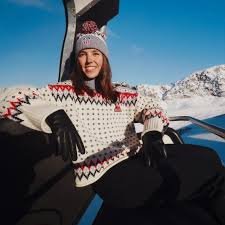
Ahead of the Milan-Cortina Winter Olympics, Vail native Tess Johnson reflects on her remarkable return to the Games and the enduring legacy of her grandfather in the world of sports. Johnson’s path back to Olympic competition, after her debut in Pyeongchang at just 17 years old, was far from straightforward.
A significant setback came with missing the Beijing Olympics in 2022. However, Johnson demonstrated incredible determination, undergoing spinal surgery in April 2023 to address a chronic herniated disc. Remarkably, she was back competing by November 2023. Now, at 25, she’s poised to make a triumphant return to the Olympic stage.
Embracing the Olympic Intensity
“I acknowledge the gravity of competing at the Olympics, and that is the pinnacle of sport,” Johnson shares. “Having competed in 2018, I learned that it’s not the time to shy away from the intensity. Instead, it’s about leaning into those feelings and embracing them, because that’s where moments of greatness are created.”
A Colorado Roots Story
Johnson’s love for skiing began in her hometown of Vail, Colorado. Growing up with a ski instructor mother and a ski patroller father, she was on skis at the tender age of two. “Skiing was just a family affair, and I fell in love with it,” she recalls. She began competing around age eight or nine, and her passion only grew from there.
Vail, she explains, is more than just a picturesque ski town. “People definitely don’t imagine what it’s like to live year round there, but it’s not too different from any other place. It’s a really tight-knit community with a very local feel. It can be that winter wonderland, but for me, it’s just home, filled with everyone I love.” Colorado, she feels, is deeply ingrained in her identity.
A Family Legacy
Johnson’s journey is inextricably linked to her grandfather’s legacy. He passed away shortly before her first Olympic appearance in 2018, and she feels a strong connection to his memory. “It feels like destiny, in a way. He would have loved to see me compete.”
Her grandfather was a pioneering sports journalist, even writing the first article about moguls skiing in 1992. Johnson proudly displays a framed copy of that article. “It’s a family affair through and through. And I love that I get to share this journey with my family and my hometown.”
Prepared and Grounded
Johnson enters the Milan-Cortina Games with a renewed sense of confidence and experience. “I’ve done this before, and I know how to do it. I’ve faced setbacks and come back stronger. I’m going to embrace it all.” She acknowledges the evolving landscape of the competition but feels well-prepared and professional.
The Importance of Routine and Reflection
Beyond the physical demands of training, Johnson emphasizes the importance of mental well-being. She’s a dedicated journaler, using it as both a morning tool for setting goals and expressing gratitude, and an evening outlet for processing emotions. “It’s a two-part thing. It helps me sift through my thoughts and stay present.” Inspired by her grandfather’s profession, she views writing as a valuable training tool.
Her packing list is meticulous, including essential ski equipment, physical therapy tools, a good book, and, of course, her journal. She finds solace in reading historical fiction before competitions, allowing her to disconnect and recharge.
Team Spirit and the Thrill of Competition
Johnson values the camaraderie of her team, acknowledging the unique challenges of competing against close friends. “It can be heartbreaking and beautiful—oftentimes at the same time.” She expresses confidence in her team’s ability to navigate the season successfully, particularly with the debut of dual moguls at the Olympics.
The moments leading up to a run are filled with adrenaline. Johnson focuses on a specific cue related to her skiing and engages in positive self-talk. Ultimately, she credits her family and her grandfather for her success. “I know he’s really proud, and I could not have done this without my family.”
Read more about Team USA at Team USA.