The WNBA Paradox: Unprecedented Growth Amidst Growing Pains
The WNBA has entered a transformative era. With skyrocketing viewership, increased investment, and record-breaking salaries, the league is more visible than ever before. However, this surge in popularity has brought more than just financial gain; it has amplified deep-seated tensions regarding race, gender, and leadership within the sport.
For veteran leaders like Nneka Ogwumike, who have spent years building the foundation of the league, the current climate is a complex blend of celebration and challenge. As the league expands and new stars enter the spotlight, the discourse has shifted from the court to the cultural zeitgeist, making the WNBA a mirror for broader American societal struggles.
The Friction of Fame: Clark, Thomas, and the Public Eye
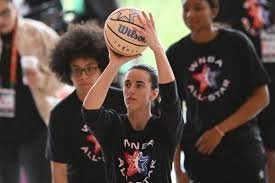
The arrival of rookies like Caitlin Clark and Angel Reese has acted as a catalyst for growth, but also as a flashpoint for controversy. The intense scrutiny has led to emotionally draining experiences for the players involved. Caitlin Clark has openly discussed the “exhausting” nature of the noise surrounding her, stating that the focus often shifts away from basketball toward divisive narratives.
Tensions reached a peak following a physical encounter between Clark and Alyssa Thomas, which resulted in a flagrant foul and a subsequent suspension. Beyond the game, the incident ignited a firestorm of online vitriol. Thomas, a seasoned veteran, reported receiving death threats, highlighting a dangerous trend of social media harassment targeting WNBA athletes.
Race, Language, and Cultural Misunderstandings
The league’s expanded platform means that every word is magnified. A recent example occurred when Toronto Tempo coach Sandy Brondello was suspended after referring to Angel Reese as a “protected species.” While the term is common in Australian sports to describe players who rarely get called for fouls, in the U.S., it carried derogatory connotations regarding race.
This incident underscores the importance of cultural sensitivity in a globalized league. As noted by sports economists, the increased attention is a double-edged sword: while it brings the growth the league always wanted, it also exposes every flaw and friction point to a global audience.
Addressing Systemic Issues: Harassment and Protection
The turmoil isn’t limited to race and on-court friction. Serious allegations of sexual harassment have surfaced, with veteran Brianna Turner claiming a former employee of the Indiana Fever was fired for harassment and that players were discouraged from discussing it. Furthermore, debates over the participation of transgender athletes continue to divide opinions among players and fans.
In response, WNBA Commissioner Cathy Engelbert has met with player committees to discuss enhanced protection against online harassment. The goal is to create a safe environment where athletes can compete without fearing for their mental health or personal safety.
Conclusion: Balancing Progress with Perspective
The WNBA is currently in a state of evolution. From the leadership of Nneka Ogwumike to the explosive energy of the new generation, the league is navigating its way through a gold rush of attention. As Ketra Armstrong, a professor at the University of Michigan, aptly put it: “We want to celebrate what’s great. But sometimes, the progress can overshadow where the perils are.”
For the WNBA to truly thrive, it must balance its commercial success with a commitment to protecting its players and addressing the systemic issues that race and gender discussions bring to the forefront.
For more updates on the league’s progress, visit the official AP WNBA hub or check out the latest standings at WNBA.com.