
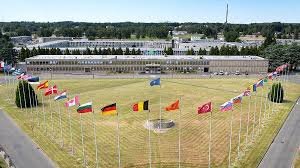
What is NATO and Why Does it Matter Today?
In an era of shifting geopolitical landscapes and emerging global threats, the North Atlantic Treaty Organization (NATO) remains one of the most significant political and military alliances in history. But what exactly is NATO, and why is it still critical for international security in the 21st century?
At its core, NATO is a collective defense alliance. Established in 1949, its primary purpose was to safeguard the freedom and security of its member countries through political and military means. Today, it has evolved from a Cold War-era shield into a comprehensive security framework addressing everything from terrorism to cybersecurity.
The Power of Article 5: Collective Defense
The cornerstone of the alliance is Article 5. This principle dictates that an attack against one member is considered an attack against all members. This “all-for-one” approach serves as a powerful deterrent, ensuring that no single nation has to face an aggressor alone.
- n
- Deterrence: Preventing conflict by showing a united front.
- Stability: Maintaining a balance of power across Europe and North America.
- Cooperation: Facilitating seamless military interoperability between diverse nations.
n
n
n
Canada’s Strategic Role in the Alliance
As a founding member, Canada has always played a pivotal role in shaping NATO’s trajectory. From providing critical intelligence to deploying personnel in peacekeeping and stabilization missions, Canada’s commitment is central to the alliance’s success.
For Canadians, NATO isn’t just about distant conflicts; it is about ensuring the stability of the North Atlantic region, which is vital for global trade and national security. By collaborating with allies, Canada enhances its own defense capabilities and contributes to a rules-based international order.
Modern Challenges: Beyond Traditional Warfare
The threats of today are no longer just about tanks and infantry. NATO has adapted its strategy to tackle hybrid warfare, including:
- Cyber Defense: Protecting critical infrastructure from state-sponsored hacking.
- Counter-Terrorism: Coordinating intelligence to prevent global attacks.
- Climate Security: Analyzing how environmental changes trigger political instability and migration.
n
n
To learn more about the official mandates and current operations, you can visit the official NATO website or explore Global Affairs Canada for insights into Canada’s foreign policy.
Conclusion: A Future of Unity
While the world continues to change, the necessity of a strong, unified alliance like NATO remains. By fostering cooperation and upholding the values of democracy and individual liberty, NATO ensures that its members—and the world at large—can navigate an uncertain future with confidence and security.



