
The Fading Light of Press Freedom in Kosovo
Only a few years ago, Kosovo was regarded as a “bright spot” for media freedom within the Western Balkans. A 2022 fact-finding mission by global press organizations left with a sense of cautious optimism, citing a robust legal framework and a pluralistic media landscape that seemed to be heading in the right direction.
However, the narrative has shifted dramatically. A new report released in 2026 reveals a troubling trend: media freedom in Kosovo is backsliding. What was once a positive trajectory since the country’s independence in 2008 has been upended by political factors, tarnishing its reputation during the critical EU accession process.
Three Critical Factors Driving the Decline
The deterioration of the journalistic climate in Kosovo isn’t accidental. According to the International Press Institute (IPI), three primary drivers are responsible for this shift:
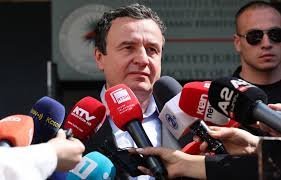
- Toxic Political Rhetoric: There has been a sharp increase in verbal attacks against journalists. High-level politicians from the ruling party have increasingly used stigmatizing language, labeling critical reporters as “traitors,” “enemies of the state,” or foreign “mercenaries.” This climate of denigration creates a dangerous environment that could eventually escalate into physical violence.
- Legislative Overreach: The independence of media regulators is under threat. Attempts to pass laws that increase political control over the Independent Media Commission (IMC) have raised red flags for the Council of Europe and the EU, signaling a move to erode the buffer between political power and broadcasting.
- Pressure on Public Broadcasting: Radio Television of Kosovo (RTK) faces a double crisis: chronic underfunding and alleged political interference. Reports of removed news presenters and the axing of specific shows suggest an institutional politicization that undermines the public’s right to unbiased information.
The Battle Between Oligarchs and Political Will
The Kosovo government often argues that the main threat to media freedom is “media capture” by business oligarchs and corporate interests. While it is true that ownership transparency is a systemic issue that needs addressing, experts warn that this narrative should not be used as a shield.
The reality is clear: the current decline—marked by hostile rhetoric and opaque appointments to oversight bodies—is a result of political choices, not corporate influence. The use of defamation lawsuits (often referred to as SLAPPs) further chills investigative journalism, forcing small outlets into self-censorship to avoid bankruptcy.
Is the Trend Reversible?
Despite the current gloom, the situation in Kosovo is not beyond repair. The country still maintains a pluralistic media landscape and has avoided the high levels of physical violence seen in some neighboring regions.
To return to its path as a regional leader, Kosovo must:
- Restore Democratic Norms: Political leaders must cease the stigmatization of the press.
- Ensure Institutional Independence: The IMC and RTK must be shielded from political whims.
- Promote Transparency: Strengthening the firewall between media owners and newsrooms is essential.
As Kosovo strives for European integration, the role of a free and independent press is more vital than ever. This report serves as a wake-up call: for a young democracy to thrive, it must protect the voices that hold power accountable.



