
Fine Dining or Legal Disaster? The Michelin-Starred Restaurant Facing Jail Over Edible Ants
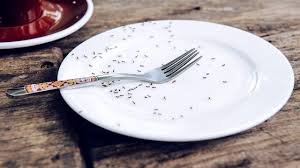
In the world of high-end gastronomy, pushing the boundaries of taste is often seen as a mark of genius. However, for one Michelin-starred restaurant in Seoul, South Korea, an avant-garde culinary choice has led to a potential legal nightmare. The proprietor is now facing up to a year in prison and significant fines after allegedly serving ants as a garnish on dessert dishes.
A Garnish That Crossed the Line
The controversy began when customers took to social media and online review platforms to share their experiences with the restaurant’s sorbets, which were topped with ants. While the restaurant owner admitted to the practice, there is a critical legal catch: in South Korea, not all insects are created equal in the eyes of the law.
Under the country’s Food Sanitation Act, only a specific list of insect species is approved for human consumption. While grasshoppers, mealworms, and crickets are perfectly legal, ants are not on the list. This distinction turned a culinary experiment into a criminal offense.
The Danger Beyond the Law
The legal battle isn’t just about bureaucracy; it’s about safety. Prosecutors allege that the imported dried ants used in the dishes contained levels of heavy metals up to 55 times the maximum limit allowed for approved edible insects. Reports suggest that approximately 49,000 ants were used in various dishes since 2021, though defense attorneys have contested this figure.
The Global Rise of the Edible Insect Market
Despite this specific legal clash, the concept of eating insects—known as entomophagy—is gaining massive traction worldwide. As the global population grows, the search for sustainable protein sources has moved from novelty to necessity.
According to data from Fortune Business Insights, the market for insect-based foods is projected to skyrocket from $1.73 billion in 2025 to $13.23 billion by 2034. This growth is fueled by several key factors:
- n
- Sustainable Nutrition: Insects require significantly less water and land than traditional livestock.
- Resource Efficiency: High protein conversion rates make them an eco-friendly alternative.
- Diversified Protein: Consumers are increasingly open to non-traditional protein sources to reduce their carbon footprint.
From Niche to Mainstream: Insects in North America
The trend isn’t limited to Asia. In North America, several companies are already integrating insect proteins into everyday snacks. For instance, cricket flour is being used in tortilla-style chips and protein bars, targeting health-conscious consumers and athletes looking for nutrient-dense alternatives.
Experts, including psychology professors from the University of Michigan, note that consumers are becoming more curious and receptive to these abundant nutritional sources. This shift is supported by the Food and Agriculture Organization (FAO), which highlights the potential of insects to contribute to global food security.
Final Thoughts
The case of the Seoul restaurant serves as a cautionary tale for chefs: innovation must always be balanced with local food safety regulations. As the world moves toward a more sustainable diet, the line between “experimental” and “illegal” will continue to be defined by science and safety standards.



