
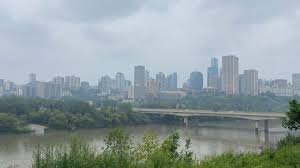
Wildfire Smoke Forecast: Protecting Your Health Across BC and Alberta
Western Canada is no stranger to unpredictable weather. From sudden torrential downpours to intense heatwaves, the region’s atmosphere can change in an instant. However, one recurring condition that residents from British Columbia to Alberta dread is the arrival of wildfire smoke. With hundreds of active fires often raging in the Northwest Territories and across the provinces, air quality can plummet rapidly, posing significant health risks.
Understanding the Air Quality Health Index (AQHI)
When checking your smoke forecast for BC or other western provinces, the most critical metric to monitor is the Air Quality Health Index (AQHI). This system helps Canadians understand the level of pollution in their community and the associated health risks:
- n
- 1-3 (Low Risk): Ideal air quality; enjoy your outdoor activities.
- 4-6 (Moderate Risk): Consider reducing strenuous outdoor activities if you experience symptoms.
- 7-10 (High Risk): High pollution levels; vulnerable groups should reduce or reschedule outdoor activities.
- 10+ (Very High Risk): Extreme risk; everyone should limit outdoor exposure.
Who is Most at Risk?
While poor air quality affects everyone, certain groups are more susceptible to the harmful effects of wildfire smoke. According to Environment and Climate Change Canada, those who should take extra precautions include:
- Seniors (aged 65 and older).
- Pregnant individuals.
- Infants and young children.
- People with chronic health conditions (such as asthma, COPD, or heart disease).
- Outdoor workers.
Children are particularly vulnerable because their respiratory systems are smaller and they breathe faster than adults, leading to a higher concentration of pollutants in their lungs over time.
How to Protect Yourself from Wildfire Smoke
You don’t have to wait for the sky to turn an apocalyptic orange to take action. Damage to the lungs can occur even at moderate AQHI levels (5 or higher). Here are professional tips to keep your air clean:
Indoor Safety Measures
- Seal your home: Keep windows and doors closed as much as possible to prevent smoke from entering.
- Optimize ventilation: Use the highest quality air filter your HVAC system can support.
- Air Purifiers: Invest in a certified portable air cleaner with a HEPA filter to remove fine particles.
- Cooling vs. Air Quality: In cases of extreme heat coinciding with poor air quality, prioritize staying cool, but use filtered air where possible.
Outdoor Precautions
- Mask up: When AQHI reaches 5 or higher, consider wearing an N95 mask, which is designed to filter out fine particulate matter.
- Post-exposure hygiene: After spending time outdoors, change your clothes and wash your face to remove contaminants.
The Science of Smoke: PM2.5 and Climate Change
Wildfire smoke contains PM2.5—tiny particles that are small enough to penetrate deep into lung tissue and enter the bloodstream, potentially affecting brain health. These particles are linked to increased hospital visits for pneumonia, heart attacks, and strokes.
Research indicates a sobering trend: climate change, driven by fossil fuel emissions, is making wildfires larger and more intense. A 2024 study suggests that smoke-related deaths linked to climate change have soared since the 1960s, as higher concentrations of carbon dioxide in the atmosphere fuel more devastating fire seasons.
Stay Informed
To track smoke movement and current air quality in real-time, Canadians are encouraged to use the Fire Works map provided by Environment and Climate Change Canada. By staying informed on the smoke forecast for BC and neighboring provinces, you can make proactive decisions to protect your long-term health.



